Best 6 Smart Learning Tools All Mothers Should Know
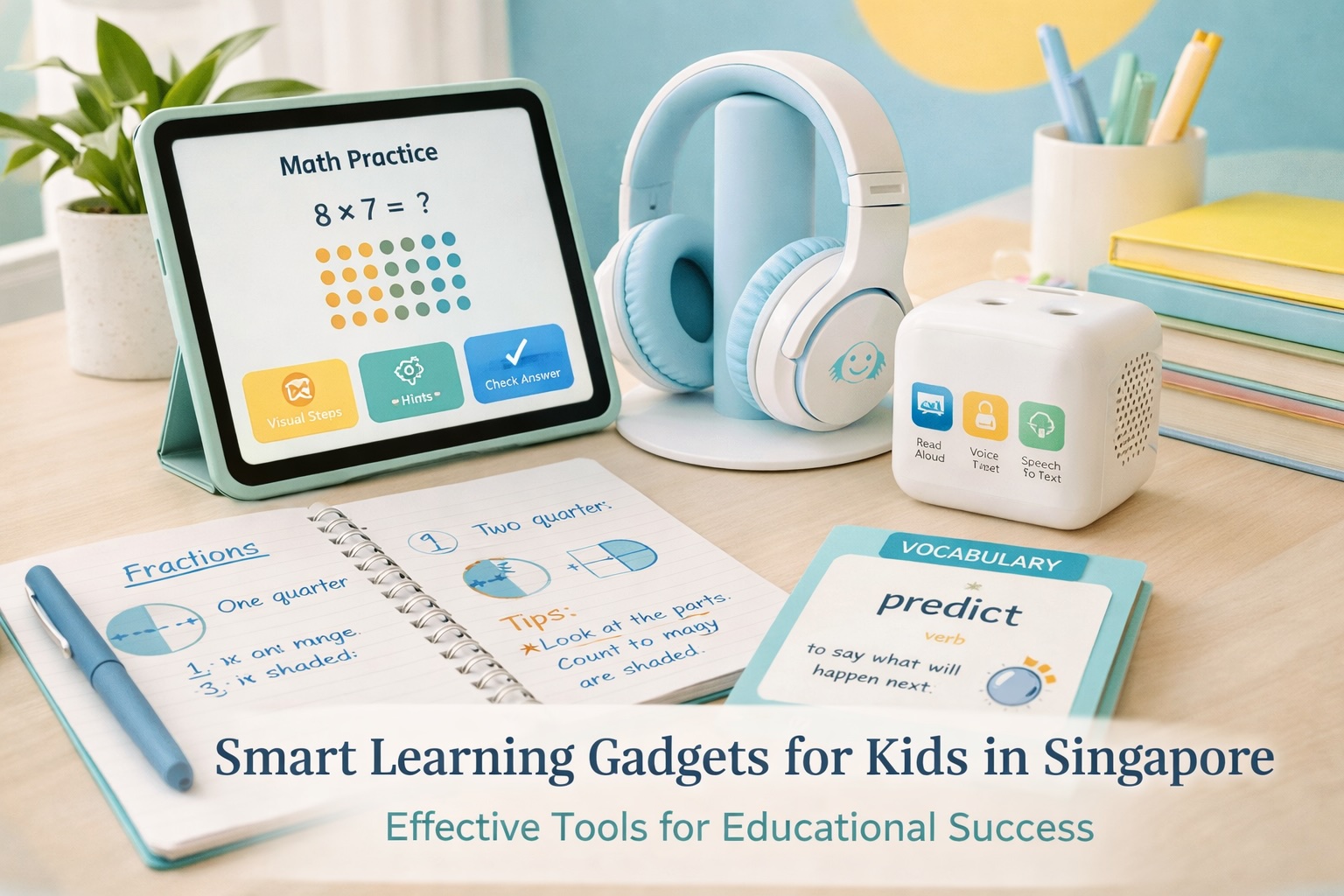
Technology has become an integral part of how children learn today. From tablets and educational apps to AI-powered platforms, modern tools are reshaping the way students absorb information, practise skills, and build confidence.
For parents in Singapore, especially those navigating challenges such as learning difficulties or slow academic progress, choosing the right learning tools can make a meaningful difference. However, with so many devices and platforms available, it can be difficult to separate what is genuinely helpful from what is simply trendy.
In this article, we explore practical and effective learning gadgets and platforms that support children’s development—especially those who may need additional support.
Why Learning Technology Matters Today
Traditional learning methods are still important, but they may not always work for every child. Some children learn better through visuals, others through interaction, and some need repetition in a more engaging format.
Technology bridges this gap by offering:
- Interactive learning experiences
- Personalised pacing
- Immediate feedback
- Multi-sensory engagement
This is particularly useful for children who struggle with attention, reading, or comprehension.
1. Tablets with Stylus Support (iPad + Apple Pencil)
Tablets have become one of the most versatile learning tools for children. Devices like the iPad, when paired with a stylus such as the Apple Pencil, allow students to write, draw, and solve problems just like they would on paper—while also benefiting from digital features.
How it helps:
- Enables step-by-step problem solving for Maths
- Supports visual learners through drawing and diagrams
- Allows easy correction and revision
This is especially helpful for children who struggle with neatness or organisation in traditional notebooks.
2. Smart Note-Taking Apps
Apps like OneNote and GoodNotes allow students to organise their notes in a structured and visual way. Unlike traditional notebooks, these apps make it easier to revisit and edit content.
Benefits:
- Colour coding for better memory retention
- Easy access across devices
- Ability to insert images, audio, and annotations
For children with learning difficulties, structured notes can significantly improve understanding and recall.
3. Speech and Reading Assistive Tools
Children with dyslexia or reading challenges often benefit from tools that convert text into speech or vice versa.
Popular tools include:
- Text-to-speech readers
- Speech-to-text typing tools
- Reading assistive software
These tools reduce frustration and allow children to focus on understanding rather than struggling with mechanics.
If you’re exploring how these tools can support children with specific learning challenges, this guide on supporting children with learning difficulties in Singapore provides helpful insights for parents.
4. Interactive Learning Platforms
Platforms like Khan Academy, Duolingo, and other educational apps provide structured learning in a more engaging format.
Key features:
- Gamified lessons
- Instant feedback
- Adaptive difficulty levels
These platforms are particularly effective for maintaining consistency, as children are more likely to continue learning when it feels enjoyable.
5. Online Whiteboards and Collaboration Tools
Tools such as Zoom, Google Meet, and digital whiteboards allow tutors and students to interact in real time.
How they help:
- Enable remote learning
- Allow visual explanations
- Support hybrid tuition models
This has become especially relevant with the rise of home tuition and flexible learning arrangements.
6. AI-Powered Learning Tools
Artificial intelligence is starting to play a role in education by offering personalised recommendations and explanations.
Examples include:
- AI chat tools for answering questions
- Adaptive learning systems
- Automated feedback tools
While still evolving, these tools can support independent learning and reinforce concepts taught during lessons.
Choosing the Right Learning Tools
Not every gadget or platform will suit every child. When selecting tools, parents should consider:
- The child’s learning style
- Ease of use
- Level of engagement
- Alignment with school curriculum
It is also important to avoid overwhelming the child with too many tools at once. Starting with one or two effective solutions is often more beneficial.
Balancing Technology with Human Support
While technology can enhance learning, it should not replace human interaction. Teachers, tutors, and parents still play a crucial role in guiding and supporting the child.
The most effective approach combines:
- Technology for engagement and reinforcement
- Human guidance for explanation and motivation
This balance ensures that children receive both structure and flexibility in their learning journey.
Final Thoughts
Smart learning tools are no longer just optional—they are becoming an essential part of modern education. When used correctly, they can make learning more engaging, personalised, and effective, especially for children who require additional support.
However, the key is not to chase every new gadget, but to choose tools that genuinely align with your child’s needs. With the right combination of technology and guidance, children can develop stronger foundations, greater confidence, and a more positive attitude towards learning.
For parents looking to better understand how to support their child’s development beyond academics, you can explore more practical parenting insights and resources on motherhood.com.sg.
Ultimately, the goal is simple: to create a learning environment where every child has the opportunity to thrive.